If you are asking, “Can I just replace the glass in my windows, the answer is often yes.
In many double-glazed windows, the frame remains in good condition while the sealed unit inside fails. If your window frames are straight, secure and operating properly, replacing just the glass is usually the most cost-effective solution. You do not automatically need a full window replacement.
In most cases, what fails is the double-glazed unit, not the entire window frame.
What “Just the Glass” Actually Means
Modern double-glazed windows are made up of:
The outer window frames
The internal double-glazed unit
The glass unit consists of two panes separated by a spacer bar and filled with argon gas insulation. This sealed unit controls thermal efficiency.
When condensation appears between panes, or you have broken glass, it is the glass unit that has failed. Replacing just the glass means removing that unit and installing new glass within the existing window frames.
You keep the frames and replace only the glass.
When Replacing Just the Glass Is the Right Choice
Replacing just the glass is suitable where:
Double-glazed windows are misted
There is broken glass
You want to upgrade old glass to improve energy efficiency
The window frames are in good condition
If your windows open and close properly and seal well, glass replacement is typically the most affordable and practical option. It avoids replacing the whole window when it is not necessary.
When You Need Full Window Replacement
Glass replacement is not suitable if:
The window frames are warped, rotten or poorly fitted
The entire window frame is structurally compromised
You want to change the window style, size or configuration
If the frames have failed, installing new glass alone will not resolve the issue. In that case, full window replacement or new replacement windows are the correct solution.
The Benefits of Replacing Just the Glass
For most homeowners, replacing just the glass delivers clear advantages that make it an attractive option compared to a full window replacement.
More cost-effective: You keep the existing window frames and avoid the cost of full window replacement.
Less disruption: The entire window frame stays in place, so installation is quicker and cleaner.
Improved energy efficiency: Modern double-glazed units with low-E coatings and argon gas insulation reduce heat loss and help lower energy bills.
Lower environmental impact: Replacing just the glass creates less waste and reduces the environmental impact compared to replacing windows.
Energy Efficiency Gains
Upgrading old glass in double-glazed windows improves thermal efficiency and reduces energy costs.
Where window frames are in good condition, replacing just the glass delivers measurable performance gains without full replacement.
Why Choose JP Glass for Glass Replacement
Replacing just the glass in double-glazed windows requires precise measurement and correct installation. The sealed unit must fit accurately within the existing window frames to maintain thermal efficiency and prevent premature seal failure. We assess the condition of your frames first and, where they are in good condition, confirm that replacing just the glass is the right solution rather than recommending full window replacement.
We then manufacture a made-to-measure sealed unit to suit your existing frames. You can opt for like-for-like glass replacement or upgrade the glazing specification, including low-E glass or safety glass where required. Installation is controlled and contained, with the existing window frame left in place and disruption kept to a minimum.
If your window frames are in good condition, you can often replace just the glass rather than the entire window. For many homeowners, this is the more cost-effective and practical solution.
Replacing just the glass can resolve misted double glazing, broken panes and outdated units while improving thermal efficiency and reducing heat loss. Full window replacement is only necessary where frames are warped, damaged or no longer fit for purpose.
If you are unsure which route is right for your property, we can assess your windows and provide a clear recommendation based on their condition. Contact us today to arrange a survey and quotation for glass replacement.
Frequently Asked Questions
Can I just replace the glass in my double-glazed windows?
Yes, in many cases you can replace just the glass rather than the whole window. If the window frames are in good condition and operating properly, replacing just the glass is usually sufficient. What gets replaced is the sealed double-glazed unit inside the frame, not the entire window frame.
Is it cheaper to replace a whole window or just the glass?
Replacing just the glass is typically far more cost-effective than full window replacement. You are reusing the existing frames, trims and fittings, which reduces labour and material costs. Full window replacement is only necessary when the frames themselves are damaged or reaching the end of their serviceable life.
Can you replace glass in a uPVC window without changing the frame?
Most modern uPVC double-glazed windows are designed so that the sealed unit can be removed and replaced independently of the frame. The glazing beads are taken out, the old glass unit is removed, and a new sealed unit is installed in its place.
Will replacing just the glass improve energy efficiency?
It can, particularly if your existing glass is old or the sealed unit has failed. Modern double-glazed units use low-E coatings and argon gas insulation to improve thermal efficiency. Replacing outdated or misted glass can reduce heat loss and help lower energy bills, provided the window frames are still performing properly.
How do I know if I need a full window replacement instead?
Full window replacement is usually recommended if the frames are warped, rotten, poorly fitted or no longer sealing correctly against the wall. If the structure of the window is compromised, replacing only the glass will not solve the underlying issue. A professional inspection can confirm whether glass replacement or full replacement is the right option for your windows.
A misted or blown window that will not clear usually means the sealed double-glazed unit has failed. Once condensation appears between the two panes of glass, the insulating cavity has been breached, and the performance of the double glazing is compromised.
Technically, blown double glazing can be worked on. In reality, repairing a failed double-glazed unit rarely restores it to its original standard. In most cases, replacing the sealed unit within the existing window frame is the only reliable long-term solution.
At JP Glass, we manufacture replacement double-glazed units in-house, restoring clarity and energy efficiency without recommending unnecessary new windows.
What Happens When a Double Glazed Unit Fails?
Double glazing consists of two panes of glass separated by a spacer bar and sealed around the perimeter. The cavity contains argon gas to reduce heat transfer and improve energy efficiency.
When the seal breaks, the gas escapes and moist air enters. Condensation inside double glazing forms between the glass panes. This is blown double glazing or misted double glazing.
Once moisture appears inside the sealed unit, it is not a cleaning issue nor a ventilation problem. It is a failed double-glazing. In most cases, the window frame remains sound, and only the glass unit needs replacing.
Signs of Blown Double Glazed Windows
Typical indicators include:
Condensation between the two panes
A misted-up window that cannot be wiped clear
Cloudy or milky glass
Heavy morning dew condenses inside
A noticeably cold surface
You may also find a particular room harder to heat, with rising energy bills. A blown double-glazed window cannot retain heat inside effectively, which reduces your home’s energy efficiency.
Condensation on the room-facing side is usually internal condensation and not a fault. Condensation on the outside can indicate good insulation. Only condensation inside the sealed double-glazed unit confirms failure.
Why Do Double Glazed Units Break Down?
Seal failure develops over time. Glass temperature falls overnight and rises again when the sun rises. Repeated expansion and contraction weaken the window seals and the spacer bar. Solar gain accelerates this process. Poor installation can also contribute.
Most double-glazed units last 15 to 25 years, depending on quality and exposure.
Can Blown Double Glazing Be Repaired?
Some companies offer double glazing repairs by drilling a small hole in the glass unit, removing moisture and inserting drying agents or using a magnetic tool.
This may improve appearance temporarily. It does not recreate the sealed double-glazed unit, restore the argon gas or reinstate full insulation.
For long-term performance, replacing blown double glazing is usually the only viable option.
Do I Need New Windows?
Usually not. If the window frame is structurally sound, the failed glass unit can be removed and a new double-glazed unit installed to precise measurements. This is a much cheaper alternative to replacing the entire window and avoids unnecessary waste.
Full window replacement or triple glazing is only required if the frame itself is damaged or outdated.
Cost Considerations and Long-Term Value
Repair or replacement costs vary depending on size, specification and access. A small blown window in a bathroom will cost less than a large pane requiring toughened or laminated glass.
Drilling-based repairs are sometimes marketed as a lower-cost option. However, because they do not restore the sealed unit to its original standard, they often represent short-term savings rather than long-term value.
Replacing blown double glazing improves insulation, reduces heat loss during winter, and supports improved energy efficiency. Over time, this can reduce heating and energy bills by mitigating ongoing heat loss. When evaluating replacement costs, it is important to consider the cumulative impact on energy consumption rather than focusing solely on the initial price.
Our Approach at JP Glass
At JP Glass, we replace the failed double-glazed unit, not the entire window, unless it is genuinely necessary. We manufacture replacement double-glazed units in-house, built to current standards and tailored to your existing window frame. In most cases, the frame remains sound, and only the sealed unit needs replacing.
Installation is quick and contained. We remove the failed glass unit, fit a new sealed unit and restore clarity and energy efficiency without the cost of full window replacement. If the frame has deteriorated, we will advise accordingly.
When condensation forms between the glass panes, the sealed unit has failed, and its insulating properties are permanently compromised. Cosmetic double glazing repairs may improve appearance temporarily, but they do not recreate the original sealed cavity or restore full energy efficiency.
In most situations, the window frame can remain in place, and only the glass unit needs replacing. Replacing blown double glazing restores clarity, improves comfort and protects your home’s energy efficiency without the expense of replacing the entire window.
Frequently Asked Questions
How do I know if my double glazing has blown?
Blown double glazing is identified by condensation inside the sealed unit, between the two panes of glass. If you cannot wipe the mist away from either side of the window and the cloudiness appears trapped inside the glass, the double-glazed unit has failed. You may also notice a colder surface compared to other windows and a particular room feeling harder to heat.
Can moisture between window panes be repaired?
Moisture between window panes cannot be permanently repaired once the sealed unit has failed. Some companies offer drilling and drying methods, but these do not restore the argon gas or recreate the original airtight seal. In most cases, replacing the sealed unit is the only reliable way to fix blown double glazing properly.
Do I need to replace the entire window if the glass has failed?
In the majority of cases, the window frame can remain in place. If the frame is structurally sound, only the failed double-glazed unit needs replacing. This is a much cheaper alternative to full window replacement and restores energy efficiency without unnecessary disruption.
How much does it cost to replace a blown double-glazed unit?
The cost depends on the size of the glass unit, the type of glass required and site access. Smaller windows are typically less expensive than large patio or picture windows. Replacing blown double glazing is often more cost-effective long-term than repeated cosmetic repairs, particularly when factoring in heating bills and the overall home’s energy efficiency.
Does condensation on my window always mean the double glazing has failed?
Condensation on the inside surface of the window is usually caused by humidity and ventilation issues, and is not a fault with the double glazing. Condensation on the outside pane can indicate good insulation. Only condensation inside double glazing, between the two panes, confirms that the sealed unit has failed.
Blown double glazing is identified by condensation inside the sealed unit, between the two panes of glass. If you cannot wipe the mist away from either side of the window and the cloudiness appears trapped inside the glass, the double glazed unit has failed. You may also notice a colder surface compared to other windows and a particular room feeling harder to heat.
Moisture between window panes cannot be permanently repaired once the sealed unit has failed. Some companies offer drilling and drying methods, but these do not restore the argon gas or recreate the original airtight seal. In most cases, replacing the sealed unit is the only reliable way to fix blown double glazing properly.
In the majority of cases, the window frame can remain in place. If the frame is structurally sound, only the failed double glazed unit needs replacing. This is a much cheaper alternative to full window replacement and restores energy efficiency without unnecessary disruption.
The cost depends on the size of the glass unit, the type of glass required and site access. Smaller windows are typically less expensive than large patio or picture windows. Replacing blown double glazing is often more cost effective long term than repeated cosmetic repairs, particularly when factoring in heating bills and overall home’s energy efficiency.
Condensation on the inside surface of the window is usually caused by humidity and ventilation issues and is not a fault with the double glazing. Condensation on the outside pane can indicate good insulation. Only condensation inside double glazing, between the two panes, confirms that the sealed unit has failed.
Are you thinking about aluminium window frames for your next project? Known for their durability and sleek design, aluminium window frames are a smart choice. In this article, we’ll explain why these frames stand out in terms of performance, style, and energy efficiency, helping you decide if they are the right fit for you.
Key Takeaways
Aluminium window frames offer exceptional durability, with a lifespan of up to 50 years and minimal maintenance requirements.
The aesthetic appeal of aluminium windows includes sleek, modern designs that enhance any architectural style and extensive customisation options.
Aluminium windows excel in energy efficiency, featuring advanced thermal technologies that help reduce energy bills and maintain a comfortable indoor environment.
The Best Aluminium Window Frames: Durable, Stylish & Energy Efficient
Aluminium windows are renowned for their exceptional durability, a key factor that makes them a long-lasting investment. With a lifespan that can extend up to 50 years, these window frames are built to withstand the test of time. Unlike other materials that may require frequent maintenance or replacement, aluminium frames are resilient against weather conditions, corrosion, and wear and tear. This durability means minimal upkeep, needing only periodic cleaning to stay pristine.
Beyond durability, aluminium windows offer a sleek and contemporary aesthetic that enhances the overall look of any building. Their clean lines and minimalist frames contribute to a modern appearance that is both stylish and timeless. The design flexibility of aluminium allows for a variety of styles and finishes, making it adaptable to different architectural preferences. Aluminium frames can also hold larger panes of glass, enhancing natural lighting and adding to the home’s aesthetic appeal.
Energy efficiency is another significant advantage of aluminium windows. Modern advancements have resulted in thermally improved aluminium frames that offer excellent thermal performance, helping to reduce energy bills.
These frames can be configured into various styles, such as tilt & turn or casement, providing versatility and ensuring that you can find the perfect fit for your needs. Aluminium flush casement windows, in particular, offer superior thermal efficiency and security features, making them suitable for both traditional and contemporary designs. The blend of durability, style, and energy efficiency makes aluminium window frames a superior choice for any construction project.
Introduction
Aluminium windows have come a long way since their adoption surged in the post-war era due to their strength and versatility in design. Today, they are celebrated not just for their robustness but also for their ability to bring in natural light and keep out cold air, making them a popular choice among homeowners and builders alike.
With a huge range of styles and features available, high-quality aluminium windows cater to diverse architectural preferences and performance requirements. Companies like Just Value Doors have been providing high-performance aluminium windows since 2008, ensuring that their clients benefit from both aesthetic appeal and functional excellence.
Benefits of Aluminium Window Frames
Before:
Aluminium window frames offer numerous benefits, beginning with their remarkable durability. Aluminium frames are known for their long-lasting nature, with a lifespan of up to 50 years. Their longevity pairs with minimal maintenance needs, requiring only periodic cleaning to stay in top condition. Thus, they are ideal for homeowners seeking a low-maintenance, durable solution.
Long-lasting nature, with a lifespan of up to 50 years
Minimal maintenance needs, requiring only periodic cleaning to stay in top condition with aluminium frame windows.
Thus, they are ideal for homeowners seeking a low-maintenance, durable solution.
Aesthetically, slimline aluminium windows provide a sleek, contemporary look that enhances any building’s appearance. Their clean lines and minimalist frames provide a modern aesthetic that is highly sought after in today’s architectural designs. Moreover, aluminium’s design flexibility supports various styles and finishes, adapting to different architectural preferences. Slim sightlines of aluminium frames enhance natural light entry, brighten spaces and create a more inviting environment.
Beyond durability and aesthetic appeal, aluminium windows excel in thermal performance. Thermally improved aluminium frames reduce energy bills through better insulation and heat loss prevention.
These windows can be configured into various styles, such as tilt & turn or casement, offering versatility and ensuring that they can meet the specific needs of any construction project. These advantages explain why aluminium windows have gained popularity in the UK for their modern aesthetic and performance.
Types of Aluminium Window Frames
Several types of aluminium window frames cater to different architectural styles and functional needs. One popular option is the aluminium casement windows, known for their slimline frames and clean lines that provide a modern appearance. Casement windows can be hinged on the side or top, allowing for versatile opening options and enhancing ventilation.
Tilt-and-turn windows are another versatile option, offering two opening mechanisms: tilting inwards for ventilation or swinging open like a door for larger openings. This dual functionality makes them ideal for homes needing both ventilation and easy access.
Flush casement windows seamlessly blend contemporary and traditional styles, making them suitable for a wide range of architectural designs. The flush detail design enhances the sleek appearance of these windows, ensuring that they complement both modern and classic aesthetics.
Additionally, aluminium windows come in various styles, such as sliding, bottom-hung, bi-folding, and panoramic, suiting every architectural need.
Aluminium Casement Windows
Aluminium casement windows are a popular choice for homeowners seeking a stylish and functional window solution. These windows are designed to maximize natural light and ventilation, making your living spaces brighter and more comfortable. With their sleek and modern appearance, aluminium casement windows can enhance the aesthetic appeal of any home.
Our aluminium casement windows are crafted from high-quality materials, ensuring durability and longevity. Available in a range of colours and finishes, these windows can be tailored to match your home’s unique style. The slimline frame design allows for a larger glass area, which not only improves solar control and insulation but also reduces noise, creating a more serene indoor environment.
Engineered in the UK, our aluminium casement windows meet the latest building regulations, guaranteeing high quality and performance. Whether you prefer a traditional or modern design, our windows can be customised to fit your specific needs and budget. We offer various glazing options, including double glazing and triple glazing, to ensure energy efficiency and security.
With their combination of style, functionality, and customisation options, aluminium casement windows are an excellent choice for any home.
Customisation Options for Aluminium Windows
All our windows offer many customisation options, allowing homeowners to tailor all our aluminium windows and bespoke aluminium windows to meet specific design and functional needs. From colour choices and glazing options to furniture and accessories, the customisation possibilities are extensive, thanks to aluminium window manufacturers.
This flexibility allows aluminium windows to match any construction project’s aesthetic and performance requirements.
Colour Options for Powder Coated Aluminium Windows
One of the most appealing aspects of aluminium windows is the extensive range of colour options available. With over 200 RAL colours to choose from, homeowners can customise their windows to perfectly match their architectural style and personal preferences. Popular choices include anthracite grey and classical white, which offer a sleek and modern look that complements a variety of building designs.
Powder coating enhances the durability and aesthetic appeal of powder-coated aluminium windows, offering a smooth, high-quality finish that resists fading and wear. Whether you prefer standard colours like anthracite or wish to explore special RAL colours, you can also choose to paint aluminium windows, with customisation options that are virtually limitless.
With such a wide palette, finding the perfect hue to enhance your home’s beauty and individuality is easy.
Double Glazing Options for Aluminium Windows
Aluminium windows also offer a variety of glazing options to suit different aesthetic and functional needs. Homeowners can choose from classic clear glass, ornamental glass, and textured glass, each providing a unique look and feel.
Aluminium flush casement windows can be fitted with double glazing or security glazing for enhanced protection and energy efficiency. These options ensure your windows look great and perform exceptionally well in terms of insulation and security.
Furniture and Accessories
Furniture and accessories choices significantly impact the overall aesthetic and functionality of aluminium windows. Modern handle designs, for example, contribute to the sleek look of the windows and can complement the chosen window style. Various fittings, such as window bars and glazed elements, further customise aluminium window frames, ensuring every detail aligns with your design vision.
The right selection of handles and accessories can make aluminium windows a standout stylish and functional feature of your home.
Energy Efficiency of Aluminium Window Frames
In modern construction, energy efficiency is critical, and aluminium windows excel in this area. These windows provide excellent thermal performance, helping to reduce energy bills by maintaining a stable indoor temperature. Modern advancements have improved heat retention, making aluminium windows more energy-efficient than ever.
Aluminium windows can achieve U-values as low as 0.71 W/M2k, surpassing UK energy efficiency standards and ensuring that your home remains well-insulated. Thermal break technology in aluminium frames minimises heat loss and condensation, enhancing their energy efficiency. Polyamide thermal break technology, in particular, is used to limit heat transfer, ensuring that your home stays warm in the winter and cool in the summer.
Moreover, aluminium windows are rated using the Window Energy Rating scale, with many achieving an ‘A’ rating, the highest level of energy efficiency. Features like Low-E glass, which reflects heat back into the home, and advanced manufacturing technologies that allow for slim frames and larger panes of double-glazed glass contribute to their exceptional energy efficiency. Choosing aluminium windows significantly improves your home’s insulation, reduces heating bills, and creates a more comfortable living environment.
Durability and Maintenance of Aluminium Windows
Highly durable and requiring minimal maintenance, aluminium windows are an excellent long-term investment. Their corrosion resistance ensures that they remain in good condition even in harsh weather conditions. Unlike materials that rust or warp, aluminium maintains structural integrity and appearance over time. With a lifespan of around 30 years, aluminium windows offer enhanced durability and longevity.
Maintenance for aluminium windows is straightforward and minimal. Regular cleaning with a mild detergent is recommended every 3-4 months or monthly in coastal or urban areas with faster dirt and salt accumulation. It’s important to avoid abrasive materials and harsh chemicals to prevent damage to the window frames.
Annual inspections of seals and hardware, along with lubrication of moving parts, ensure the windows function smoothly and efficiently. This low maintenance requirement makes aluminium windows attractive for homeowners seeking a hassle-free solution.
Comparing Aluminium Windows with Other Materials
When comparing aluminium windows with materials like uPVC and wood, several factors come into play. Aluminium windows are generally 30% to 40% more expensive than uPVC windows, reflecting superior quality and durability. While the initial aluminium windows cost is higher, the long-term benefits, including a longer lifespan and lower maintenance requirements, make aluminium a cost-effective choice in the long run.
Aluminium outperforms wooden windows in durability, as wood is prone to warping and rotting and requires regular maintenance. Aluminium’s resistance to corrosion and weather ensures it remains in pristine condition, providing stability and longevity. Additionally, aluminium is sustainable, fully recyclable, and has a lower carbon footprint compared to traditional materials. Recycling aluminium requires only 5% of the energy needed to produce new aluminium, making it environmentally friendly.
Aluminium also offers superior thermal efficiency compared to uPVC windows. Modern aluminium windows feature advanced thermal break technology and Low-E glass, enhancing insulation properties and contributing to energy savings. This makes aluminium windows an excellent choice for homeowners looking to reduce their energy consumption and heating bills.
The combination of durability, sustainability, and energy efficiency makes aluminium windows a standout option.
Installation of Aluminium Windows
Proper installation is crucial for the performance and longevity of aluminium windows. A site survey confirms customer needs, assesses any special specifications and ensures correct installation. Safety precautions during installation protect both operatives and the property from damage.
Installation packers prevent outer frame distortion and must resist compression, corrosion, and rot. The installer should aim to remove old windows and install new ones on the same day to maintain security and weather tightness. Installing windows plumb and square is vital for proper operation and alignment with the surveyor’s specifications.
A final inspection ensures compliance with both the surveyor’s and manufacturer’s instructions. Proper installation ensures aluminium windows provide excellent performance and longevity.
Security Features of Aluminium Windows
Security is paramount for homeowners, and aluminium windows offer robust features to ensure peace of mind. These windows incorporate multi-point locking mechanisms with multiple contact points along the frame, making forced entry significantly more difficult. Lockable ventilation options allow ventilation without compromising security.
Aluminium windows surpass British Standards for security, often exceeding PAS 024 standards. Laminated security glass further enhances safety, providing additional protection against break-ins.
Tilt & turn windows include state-of-the-art features that bolster their overall security profile. These security measures ensure aluminium windows enhance your home’s aesthetic and functional aspects while significantly improving safety.
Pricing and Ordering of Aluminium Windows
At [Company Name], we understand that pricing and ordering aluminium windows can be a complex process. That’s why we offer a range of pricing options and ordering methods to suit your needs and budget. Our aluminium windows are competitively priced, reflecting the quality of materials, craftsmanship, and features they offer.
We also provide a range of discounts and promotions, so be sure to check our website for the latest deals. To order your aluminium windows, simply visit our website and use our online configurator to customise your windows to your specifications. You can also contact our sales team directly to discuss your requirements and receive a personalised quote.
We offer various payment options, including credit cards, bank transfers, and financing options, making it easy to purchase your new windows. Additionally, we provide a 25-year guarantee on our aluminium windows, giving you peace of mind and protection for your investment.
Our aluminium windows are made to measure, ensuring a perfect fit for your home. We also offer a range of installation options, including supply-only and supply-and-fit, to suit your needs and budget. Contact us today to learn more about our aluminium windows and to receive a quote.
Case Studies: Aluminium Windows in Real Homes
Real-world applications demonstrate aluminium windows’ versatility and effectiveness in enhancing aesthetics and functionality. One notable case study involves a modern home where aluminium window frames are seamlessly integrated into the brickwork, blending perfectly with the structural design and providing a sleek, contemporary look.
In another example, a homeowner chose bifold doors coupled with aluminium windows to create a seamless transition between indoor and outdoor spaces. This enhanced the home’s aesthetic appeal and improved overall energy efficiency. The large panes of glass allowed for maximum natural light, reducing the need for artificial lighting and contributing to energy savings.
These case studies illustrate aluminium windows’ practical benefits, from improving energy efficiency to enhancing visual appeal. Choosing aluminium windows helps homeowners achieve a balance of style, functionality, and performance, making them a smart investment for any construction project.
Summary
In summary, aluminium windows offer an array of benefits that make them an excellent choice for any construction project. Their durability, low maintenance, and sleek design make them a long-lasting and stylish option, while their excellent thermal performance and energy efficiency help reduce energy bills. The extensive customisation options, including a wide range of colours, glazing choices, and accessories, allow homeowners to tailor their windows to meet specific design and functional needs. Additionally, the robust security features and ease of installation further enhance their appeal. By choosing aluminium windows, you can ensure that your home is both beautiful and functional, providing a comfortable and secure living environment for years to come.
Frequently Asked Questions
How long do aluminium windows last?
Aluminium windows can last up to 50 years, providing a durable and long-lasting investment for your home. Choosing aluminium means you benefit from longevity and low maintenance.
Are aluminium windows energy efficient?
Yes, modern aluminium windows are energy efficient due to thermal break technology and Low-E glass, which enhance their thermal performance.
What are the maintenance requirements for aluminium windows?
Aluminium windows require minimal maintenance, primarily consisting of periodic cleaning with mild detergent and annual inspections of seals and hardware to ensure optimal performance. Regular care will help prolong their lifespan.
Can aluminium windows be customised?
Yes, aluminium windows can be extensively customised with various colours, glazing options, and accessories to suit your design and functional requirements.
How do aluminium windows compare to uPVC and wooden windows?
Aluminium windows provide superior durability and energy efficiency compared to uPVC and wooden windows, while also offering a longer lifespan and sustainability through full recyclability. This makes them an excellent choice for homeowners seeking long-lasting and environmentally friendly options.
Wondering if replacing double glazing with triple glazing is worth it? Triple glazing improves insulation, cuts noise, and boosts security. But it also costs more upfront. This article will help you weigh the pros, cons, and costs to decide what fits your home best.
Key Takeaways
Triple glazing offers superior thermal performance and energy efficiency compared to double glazing, making it an attractive option for homeowners, especially in colder climates.
While triple glazing comes with a 30-40% higher initial investment, it can lead to significant long-term savings on energy bills by reducing heating costs and improving home comfort.
The decision to upgrade from double to triple glazing should consider local climate, noise levels, initial costs, and potential increases in property value.
Understanding Double Glazing vs Triple Glazing
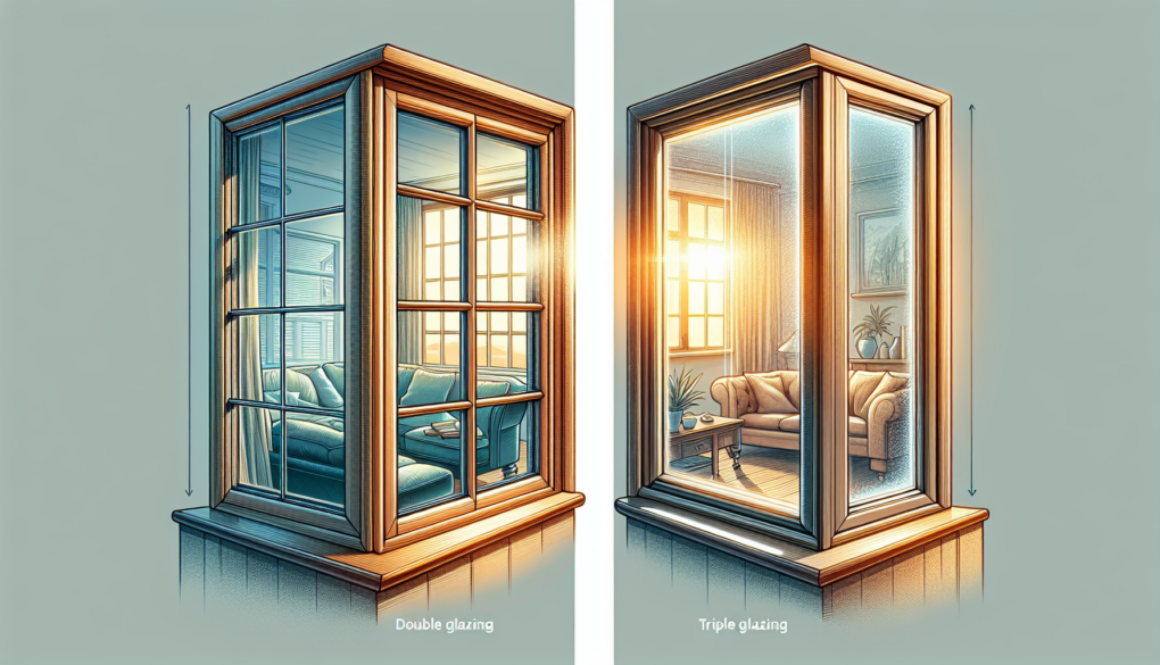
Double glazing and triple glazing are both popular choices for modern windows, but they differ significantly in their construction and thermal performance, impacting overall efficiency. Double glazing comprises two panes of glass, while triple glazing includes three panes, which enhances thermal performance. This simple addition of an extra pane in triple glazing can lead to improved energy efficiency and comfort within your home. Additionally, opting for double or triple glazing can further enhance these benefits.
Appreciating the differences involves understanding their construction and how each type manages energy efficiency. This knowledge will assist in making an informed decision on upgrading from double glazing to triple glazing.
A detailed examination of the differences in construction explains triple glazing’s popularity in colder regions. Investigating energy efficiency shows why many homeowners invest in the extra pane. We’ll break down these aspects further.
Construction Differences
The main structural difference between double and triple glazing lies in the number of glass panes and the insulating gas layers. Double glazing consists of two panes of glass with an air gap in between. This air gap acts as an insulator, reducing heat transfer. In contrast, triple glazing features three panes of glass, creating two insulating gas layers between them. Argon gas, commonly used in triple glazing, is more effective than air for insulation, providing superior thermal performance.
Triple glazing’s construction benefits make it particularly popular in Scandinavian countries, where harsh winters demand better insulation. These countries have stringent building regulations that often favour triple glazing to keep homes warm and energy-efficient. This makes triple glazing an attractive option for homeowners in colder climates or those looking to future-proof their homes against extreme weather.
Energy Efficiency
Triple glazing significantly surpasses double glazing in energy efficiency, enhancing it by over 50% compared to standard double glazing made from similar materials. With a U-value around 0.80, triple glazing retains more heat, keeping your home warmer and reducing heating bills.
Triple glazing’s higher energy efficiency saves on energy bills and lowers environmental impact by reducing your carbon footprint. Improved thermal insulation cuts heating costs and supports a greener planet.
Choosing between double and triple glazing, therefore, hinges on how much value you place on energy efficiency and long-term savings.
Benefits of Upgrading to Triple Glazing
Triple glazing provides several benefits, making it appealing for homeowners seeking to enhance their living environment. Key advantages include better insulation, noise reduction, and increased security, leading to a more comfortable home and long-term savings.
We will explore each of these benefits in detail to understand the value of investing in triple glazing.
Enhanced Insulation
One of the most significant benefits of triple glazing is its enhanced insulation. The extra pane of glass and the additional insulating gas layers provide superior insulation compared to double glazing. This results in a considerable reduction in heat loss, with up to 35% less compared to double glazing. As a result, homeowners can witness a substantial decrease in their energy bills, potentially saving up to 60% on energy costs.
Enhanced insulation increases energy efficiency and creates a more comfortable living environment. By reducing heat transfer, triple glazing stabilises indoor temperatures, keeping your home warm in winter and cool in summer, which is particularly beneficial in regions with extreme weather.
Noise Reduction
In addition to better insulation, triple glazing also offers excellent noise reduction. The extra pane of glass acts as a sound barrier, effectively blocking out external noise. This makes triple glazing particularly beneficial for homes located in noisy environments, such as near busy roads or airports.
Improved sound insulation results from the extra panes and air gaps, which dampen sound vibrations and block external noise.
As a result, you can enjoy a quieter, more peaceful living environment, free from the disturbances of noise pollution.
Increased Security
Triple-glazed windows are more robust, enhancing security compared to traditional double-glazing. The extra pane and improved construction make it harder for intruders to break through, adding additional protection to your home with a triple-glazed window.
This increased security can give homeowners peace of mind, knowing that their property is better protected against potential break-ins.
Costs of Triple Glazing
While the benefits of triple glazing are clear, it’s essential to consider the triple glazing cost involved. Triple glazing typically costs 30-40% more compared to double glazing. Various factors affect the cost, including window size, type of frame, glass quality, and installation complexity. Understanding these costs is crucial in determining whether the investment is worth it.
We will break down the initial costs of triple glazing and explore the long-term savings from this investment. Comparing these aspects will help you decide if triple glazing is the right choice for your home.
Initial Cost Comparison
The higher initial cost of triple glazing is one of the main factors that can deter homeowners. Triple glazing often costs more than double glazing due to the additional pane of glass and the improved sealants used. These extra materials contribute to the overall price, making triple-glazed windows more expensive than their double-glazed counterparts.
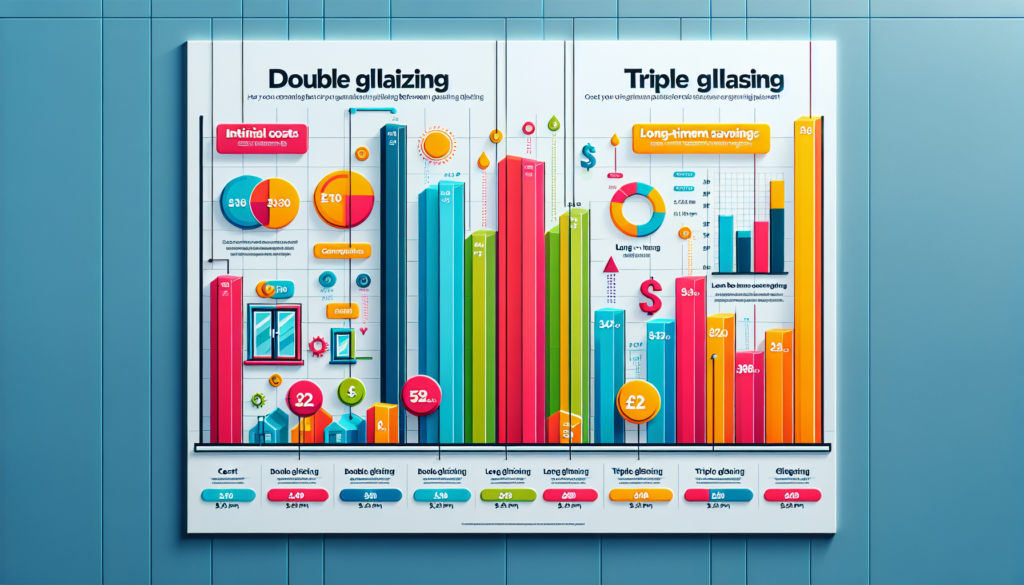
Triple-glazed windows are heavier and require stronger fittings, raising installation costs. The price increase ranges from 30% to 40%. For instance, installing triple-glazing in a four-bedroom house costs around £21,825, whereas double-glazed units range from £600 to £3,600.
Although the upfront cost is higher, the cost per window for triple glazing can decrease with larger installations. Thus, the initial investment may be more manageable if upgrading multiple windows simultaneously.
Long-Term Savings
Upgrading from double glazing to triple glazing can result in substantial long-term savings on energy bills. With the enhanced insulation provided by the extra pane of glass, triple glazing can save up to 50% on energy bills. This means that over time, the initial investment in triple glazing can pay for itself through reduced heating costs and energy savings.
Long-term, triple glazing is more cost-effective than double glazing. It prevents heat loss, stabilises indoor temperatures, and reduces the need for additional heating or cooling, saving money and contributing to an energy-efficient, environmentally friendly home.
Potential Drawbacks of Triple Glazing
While triple glazing offers numerous benefits, it’s important to consider the potential drawbacks before making a decision. The most significant disadvantages include the higher upfront investment and the challenges associated with installation.
Considering these drawbacks will help you weigh the pros and cons and decide if triple glazing suits your home.
Higher Upfront Investment
The higher initial cost of triple glazing can be a significant deterrent for many homeowners. The additional materials used in triple-glazed windows, such as the third pane of glass, contribute to their higher price point. This higher upfront investment often acts as a barrier for some consumers when considering triple glazing.
However, considering the long-term savings and benefits of triple glazing is important. Although the initial cost is higher, enhanced insulation and energy efficiency can significantly reduce energy bills over time, making the investment cost-effective in the long run.
Installation Challenges
Installing triple-glazed windows is more complex than double-glazing, with installation costs influenced by window size and complexity. Assessing whether window frames can support the additional weight is crucial before replacing double glazing with triple glazing.
For triple-glazing installations, stronger frames made of uPVC or aluminium are recommended to ensure safety and long-term performance. These frames are designed to support the increased weight of triple-glazed units, preventing potential issues and ensuring a secure and durable installation.
Is Triple Glazing Worth It?
Determining whether triple glazing is worth it depends on various factors, including your specific needs, priorities, and budget constraints. Triple glazing may be worth investing in for homes located in noisy areas or those that require significant insulation improvements. Ultimately, the decision hinges on the potential long-term savings and benefits compared to the higher upfront investment.
We will explore climate considerations and their impact on property value to help you make an informed decision. Understanding these factors will help determine if triple glazing is right for your home.
Climate Considerations
The advantages of triple glazing are most pronounced in colder climates where winter temperatures are significantly below zero. In these environments, triple glazing offers enhanced insulation and heat retention, effectively reducing energy costs. This makes triple glazing a valuable investment for homeowners looking to improve thermal performance and save on heating bills.
In warmer climates, the benefits of triple-glazing are less pronounced. However, added insulation can still enhance energy efficiency by reducing summer cooling needs. Consider your local climate and energy requirements when evaluating the value of triple glazing for your home.
Property Value
Upgrading to triple glazing can significantly enhance the value of your home. Replacing double glazing with modern triple glazing not only improves energy efficiency but also increases property value. This makes triple glazing a worthwhile investment for homeowners looking to boost their property’s market appeal and overall value.
Modern triple glazing positively impacts Energy Performance Certificate (EPC) ratings compared to older double glazing. A higher EPC rating can make your home more attractive to buyers, increasing its market value. Hence, investing in triple glazing offers immediate energy savings and long-term property value advantages.
Choosing Between Double and Triple Glazing
Choosing between double and triple glazing depends on individual needs and room-by-room assessment. Homeowners should weigh the benefits and downsides of triple glazing, considering factors like local climate, energy costs, and specific insulation requirements.
Installing triple glazing requires a reliable installer for proper fitting and performance. Replacing double-glazed units with triple-glazed ones often requires assessing the strength of existing frames and possibly upgrading to stronger materials. Installing double-glazed windows can also be worth replacing double-glazing to improve energy efficiency.
By understanding your home’s specific needs, you can determine the best glazing solution for each room.
Assessing Your Home’s Needs
The R-value for double-glazed units can range from 2 to 3, indicating their insulation effectiveness. According to Part L Building Regulations, the maximum U-value for replacement windows must be a value of B or better. The U-value is a measure of thermal performance in windows, with lower U-values indicating better energy efficiency.
Existing frames need to be assessed for their strength when considering triple glazing due to the increased weight that these units bring. Thicker and stronger frames, often made of uPVC or aluminium, are necessary to properly support triple-glazed units. In some cases, new frames may be required to ensure compatibility and safety.
Various types of glazing can be installed in different rooms to meet insulation needs; for instance, triple glazing might be suitable for colder areas.
Mixed Glazing Solutions
Combining double and triple glazing can optimize energy savings and cost-effectiveness. Thoughtfully selecting where to use each type minimises upfront costs and achieves desired energy efficiency. For instance, using double-glazing in less critical areas and triple-glazing in high-demand spaces can lead to significant savings.
Homeowners should consider local climate and energy bills when deciding on a mixed-glazing solution. This approach tailors to the specific needs of each room, ensuring optimal performance and cost savings.
Consulting professionals can help you choose the best glazing options for different areas of your home.
Summary
In conclusion, the decision to replace double glazing with triple glazing depends on various factors, including energy efficiency, noise reduction, security, costs, and installation challenges. While triple glazing offers superior insulation and long-term savings, it comes with higher initial costs and installation complexities. Assessing your home’s specific needs and considering mixed-glazing solutions can help you make an informed decision. By weighing the pros and cons, you can determine whether triple glazing is worth the investment for your home. Remember, a well-informed choice today can lead to a more comfortable, secure, and energy-efficient home tomorrow.
Frequently Asked Questions
Is triple glazing worth it for noise reduction?
Triple glazing is indeed worth it for noise reduction, as the additional pane of glass significantly enhances sound insulation. This added layer effectively minimises outside noise, creating a quieter indoor environment.
How much more expensive is triple glazing compared to double glazing?
Triple glazing is generally 30-40% more expensive than double glazing, reflecting the extra materials and complexity associated with its manufacture.
Can I replace my double-glazed windows with triple-glazed ones?
You can replace double-glazed windows with triple-glazing, but ensure your current window frames can accommodate the added weight. This consideration is essential for a successful installation.
What are the benefits of triple glazing over double glazing?
Triple glazing provides superior insulation and soundproofing compared to double glazing while also enhancing security and contributing to long-term energy cost savings.
Does triple glazing increase property value?
Upgrading to triple glazing can indeed boost your property’s value and improve its energy performance ratings, thereby attracting more potential buyers.
Are you thinking about transforming your kitchen with a fresh, stylish look? Dive into our list of the 20 best kitchen splashback ideas. Whether you’re after something classic, modern, or unique, these ideas are designed to inspire and help you find the perfect fit for your space.
Key Takeaways
Splashbacks are essential for protecting kitchen walls and come in various materials like tile, glass, and stainless steel, enhancing both function and aesthetics.
Choosing the right splashback adds visual interest to your kitchen; options range from classic subway tiles to modern printed glass and textured tiles.
Colour and pattern play a significant role in splashback design, with choices like bold colours, muted tones, and unique patterns that reflect your personal style.
Understanding Kitchen Splashbacks
A splashback is a waterproof surface that shields kitchen walls from water, food debris, and grease during cooking. Its primary function is to keep walls and work areas clean and stain-free, making it a practical addition to any kitchen. Splashbacks maintain hygiene and can be easily wiped clean.
Common materials for kitchen splashbacks include:
Tile
Glass
Stainless steel
Wood
These materials enhance kitchen aesthetics with playful patterns and bold colours. The right choice can elevate your kitchen design, making it both beautiful and practical.
Benefits of Installing a Splashback
A splashback acts as a protective barrier against stains and splashes. Many are easy to wipe clean, simplifying maintenance and keeping the kitchen pristine. Dark splashbacks conceal grease and stubborn stains, making them ideal for busy kitchens.
Beyond practicality, splashbacks enhance a kitchen’s visual appeal with diverse materials and colours. Whether you prefer sleek glass or rustic tiles, the right choice complements your décor and creates a cohesive look.
Plus, installing a splashback can be a straightforward DIY project, offering a rewarding way to improve your kitchen.
Choosing the Right Tiles for Your Kitchen Splashback
Selecting the right tiles for your kitchen splashback is vital as it influences the space’s look and feel. Options come in various shapes and sizes, including small, large-format, and hexagon tiles. Ceramic tiles are often recommended for their durability and ease of cleaning.
Porcelain tiles, known for their strength and moisture resistance, are ideal for kitchens. They offer low porosity, stain resistance, and easy maintenance, making them suitable for high-moisture environments. Consider matching them with your floor tiles or choosing contrasting colours for visual interest.
Tile finishes for kitchen splashbacks include gloss, matt, and textured options. Glossy finishes enhance light reflection and brighten the kitchen, while matte finishes hide smudges. Metallic tiles like bronze, copper, and gold add luxury and complement darker cabinetry. Larger tiles create a sense of space, while smaller tiles offer intricate details.
Colour Choices for Splashback Tiles
Colour choices for splashback tiles can dramatically impact your kitchen design. Common options include muted tones like white, dark grey, beige, and black, offering versatility and timeless appeal. These hues blend seamlessly with various kitchen styles, creating a cohesive look.
For a bolder statement, cheerful pink, calming blue, and bright green bring energy and vibrancy. Bold colours like green, red, or yellow create a striking contrasting colour with cabinetry, making the splashback a focal point. A colour scheme featuring patterned tiles adds an eye-popping look, while textured tiles introduce depth and interest.
When pairing colours, patterns, or textures, ensure the splashback complements existing kitchen elements. Matte finishes hide smudges, while glossy finishes enhance light reflection and brighten the kitchen. A clean, muted shade for the splashback can allow cabinetry to take centre stage, creating a balanced and stylish design.
The Best Top 20 Creative Splashback Ideas For Your Kitchen
Transforming your kitchen can be as simple as choosing the right splashback. From classic designs to bold, innovative ideas, here are the top 20 creative splashback ideas to inspire your kitchen refresh.
Each idea offers a huge range of unique benefits, ensuring there’s something for every taste and style.
1. Classic Subway Tiles
Classic subway tiles are popular for their timeless appeal and versatility. These rectangular tiles and metro tiles can be arranged in various patterns, such as herringbone or vertical stack, to add a modern twist to a traditional choice.
They are perfect for creating a clean and contemporary look that suits both modern and traditional kitchens.
2. Coloured Glass Splashbacks
Coloured glass splashbacks introduce a pop of colour into your kitchen. Opt for bold hues like teal or ruby red to make a statement or pastel tones for a softer, more subtle effect.
Glass splashbacks not only add vibrant colours but also reflect light, brightening up the space and creating a sleek, modern look.
3. Mirrored Splashbacks
Mirrored splashbacks enhance the sense of space in smaller kitchens and add a touch of luxury. They reflect light beautifully, making the kitchen appear brighter and more open. This choice creates a sophisticated and spacious feel.
4. Mosaic Tiles
Mosaic tiles enable intricate patterns and designs, adding texture and depth to your kitchen. Whether you choose a monochrome palette or a mix of colours, mosaic tiles make your splashback a true work of art.
They are perfect for adding personality and charm to your kitchen.
5. Marble Splashbacks
A marble splashback is an excellent choice for a luxurious and elegant kitchen. The natural veining adds sophistication and complements both traditional and modern designs.
Marble splashbacks bring a touch of class and timeless beauty to any kitchen space.
6. Printed Glass Splashbacks
Printed glass splashbacks are perfect for a truly unique touch. From floral patterns to cityscapes, the design possibilities are endless, allowing you to personalise your kitchen with a splashback that reflects your style and interests.
This type of splashback adds a custom touch that can make your kitchen one-of-a-kind.
7. Metallic Finishes
Metallic splashbacks, such as brushed copper or stainless steel, are ideal for industrial or contemporary kitchens. They’re durable and easy to clean, making them practical for busy cooking areas.
These finishes add a sleek, modern touch that can elevate the overall look of your kitchen.
8. Textured Tiles
Textured tiles bring a tactile element to your kitchen splashback. Options like 3D geometric patterns or embossed designs add visual interest, making your kitchen stand out.
These wall tiles are perfect for creating a unique and eye-catching backsplash that adds depth and character.
9. Chevron Pattern
A chevron pattern creates a dynamic and visually appealing splashback. Whether in tiles or glass, this pattern adds a sense of movement and style, making it a trendy choice.
10. Chalkboard Splashbacks
Perfect for family kitchens, a chalkboard splashback is both fun and functional. It can be used to jot down recipes, shopping lists, or messages, adding a practical and playful touch.
11. Natural Stone
Natural stone splashbacks, such as slate or travertine, bring an earthy and rustic feel. They are durable, and each stone has unique characteristics, adding charm and natural beauty to your space.
12. Geometric Tiles
Geometric tiles are a modern and trendy option. With various shapes and patterns available, they create a bold and artistic look, making your kitchen a design focal point.
13. Patterned Ceramic Tiles
Ceramic tiles with intricate patterns, such as Moroccan or Mediterranean designs, add cultural flair. These splashback ideas create a focal point, making a statement with a touch of exotic elegance.
14. Wood Effect Splashbacks
For a warm and cosy kitchen, consider a wood effect splashback. Often made from tiles or laminated glass, they provide the look of wood without maintenance, creating a homely and inviting atmosphere.
15. Herringbone Pattern
The herringbone pattern is a classic that never goes out of style. It’s a versatile choice that works well with various materials, including tiles, stone, and glass, adding a sophisticated and timeless look.
16. Coloured Grout
To elevate your tile splashback, consider using coloured grout. It’s a simple yet effective way to add a pop of colour and contrast, making your splashback stand out.
17. Concrete Splashbacks
Concrete splashbacks are a sleek, modern choice, ideal for contemporary kitchens. They offer a minimalist look with an industrial edge, perfect for a stylish kitchen that embraces simplicity and sophistication.
Concrete splashbacks are also durable and provide a unique texture that can enhance the overall design of your kitchen.
18. Terrazzo
Terrazzo is making a comeback as a popular splashback idea. Known for its colourful chips of marble, quartz, and glass, it creates a vibrant and unique look, adding a playful and artistic touch to your kitchen.
Terrazzo splashbacks are not only visually appealing but also durable and easy to maintain.
19. Matte Black Splashbacks
For a dramatic and bold kitchen design, matte black splashbacks are a top choice. They add sophistication and work well with various styles, from modern to industrial.
Matte black splashbacks can create a striking contrast with lighter cabinetry and fixtures, making your kitchen stand out with a sleek and contemporary look.
20. Glass Splashback with LED Lighting
Add a futuristic touch to your kitchen with a glass splashback featuring integrated LED lighting. This option enhances visibility while cooking and creates a striking visual effect, making your kitchen ultra-modern and stylish.
The LED lighting can bounce light around the room, making the space feel brighter and more welcoming.
Summary
Splashbacks are a critical element in kitchen design, offering both functional and aesthetic benefits. From protecting kitchen walls from splashes and stains to adding a touch of style and personality, the right splashback can transform your kitchen into a beautiful and practical space. With so many options available, from classic subway tiles to innovative LED-lit glass, there’s a splashback to suit every taste and kitchen style.
Whether you’re aiming for a sleek modern look, a rustic charm, or something uniquely personal, these top 20 creative splashback ideas provide plenty of inspiration to enhance your kitchen. Remember, the best splashback is one that not only looks great but also meets your practical needs, making your kitchen a joy to use every day. So go ahead, choose a splashback that reflects your style and enjoy the transformation it brings to your kitchen.
Frequently Asked Questions
What are the most popular materials for kitchen splashbacks?
The most popular materials for kitchen splashbacks are tiles, glass, stainless steel, and wood, as they each bring their own charm and practicality to your kitchen space. Choose one that reflects your style while being easy to clean and maintain!
How do I choose the right colour for my splashback?
Choosing the right colour for your splashback boils down to your kitchen’s overall colour scheme. Stick with versatile muted tones or go for bold colours to make a striking statement—it’s all about what vibe you’re aiming for!
Can I install a splashback myself?
Absolutely, you can install a splashback yourself! It’s often a simple DIY project that can really enhance your kitchen.
What is the best way to clean a splashback?
The best way to clean a splashback is to simply wipe it down with a damp cloth, especially if it’s made from glass or stainless steel, as they’re super easy to maintain. Regular cleaning keeps it looking fresh and new!
Are there splashbacks that can make my kitchen look bigger?
Absolutely! Mirrored splashbacks can create the illusion of a larger kitchen by reflecting light and making the space feel more open.
Contact our glass merchants and specialists in Tonbridge, Kent, to find out more about our products and services.