
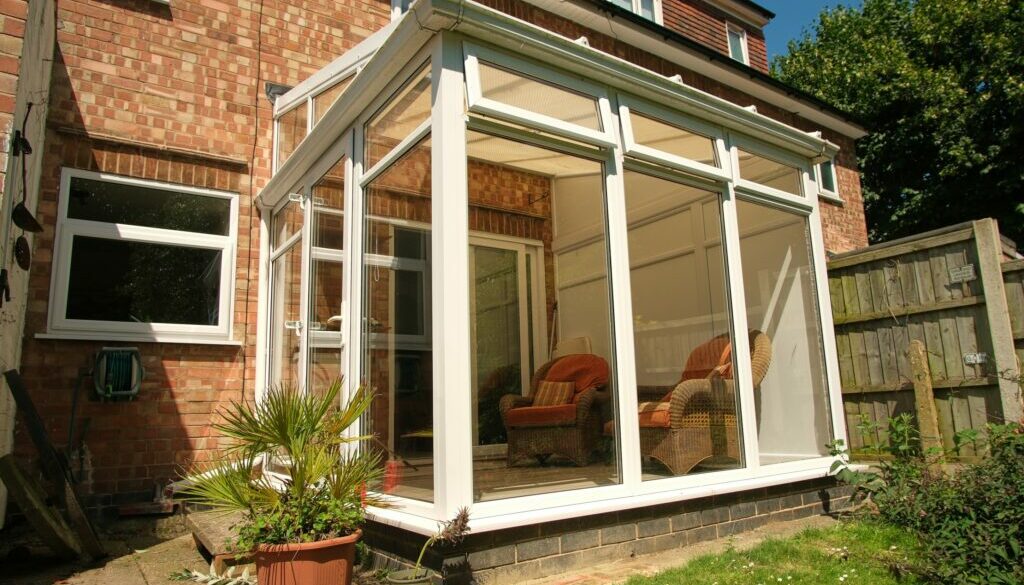
Conservatory Too Hot in Summer and Too Cold in Winter: What Actually Fixes It
If you want to know how to control temperature in a conservatory, the answer is structural. A conservatory is a glazed extension with large areas of glass and limited insulation. Without upgrades, it will suffer heat loss in winter and overheating in summer.
Many older conservatories were built for natural light, not energy efficiency. Thin glass roofs, poor conservatory roof insulation and basic double glazing allow warm air to escape in cold weather and trap the sun’s heat during hot spells. The result is a cold conservatory in winter and an uncomfortable room in summer.
Effective temperature control comes from improving the roof, glazing and ventilation so you can use the space year-round.
Why Conservatories Overheat and Lose Heat
Glass behaves like a greenhouse. Sunlight enters easily, converts to heat and becomes trapped without ventilation. In winter, the same glazing allows rapid heat loss.
Common weaknesses in older conservatories include:
- Polycarbonate or early glass roofs
- Basic double glazing without Low E coatings
- Limited insulation
- Draughts around conservatory windows and patio doors
Modern energy-efficient glazing and insulated roof systems provide significantly better thermal efficiency and lower energy consumption.
Making a Conservatory Warm in Winter
A cold conservatory usually loses heat through the conservatory roof. Warm air rises, so the roof is often the weakest point.
Upgrade the Roof
Around 70 per cent of heat loss can occur through the roof.
Options include:
- High-performance glass roofs with solar control glazing
- Fully insulated warm roof systems
- Hybrid roof designs that retain natural light
Improving conservatory roof insulation is often the most cost-effective upgrade.
Upgrade Glazing and Seal Draughts
Modern double glazing with Low E coatings and argon gas helps retain warmth and improve energy efficiency. Check seals around doors and windows. Eliminating draughts reduces heat loss and lowers energy bills.
Heating Options
Once insulation is improved, heating becomes effective:
- Portable electric heaters for occasional use
- Electric underfloor heating for steady warmth
- Wall-mounted electric radiators with programmable control
- Central heating extensions were compliant
Air conditioning units with heat pump capability can also provide winter heating in a highly glazed room.
Heating alone will not solve structural heat loss.
Keeping a Conservatory Cool in Summer
To keep a conservatory cool, reduce solar gain and release trapped warm air.
Control Solar Gain
Solar control glazing can block a large proportion of the sun’s heat while maintaining natural light. Upgrading older glass roofs often resolves overheating.
Blinds, shutters and heavy curtains reduce glare and shade the room, but structural glazing upgrades deliver stronger long-term results.
External shading and heat-reducing film can also limit sunlight entering the space.
Improve Ventilation
- Roof vents allow rising warm air to escape
- Opening windows and doors early or late in the day improves airflow
- Fans improve comfort but do not lower the temperature
- Air conditioning provides active cooling when required
Ventilation combined with glazing upgrades provides reliable summer control.
Roof Replacement or Refurbishment?
If the existing roof, glazing and frames are all underperforming, a full conservatory refurbishment may be more practical than incremental fixes.
Replacing the conservatory roof alone often stabilises temperature extremes and allows the conservatory to be used year-round as a genuine extra living space.
Why Choose JP Glass?
We design, build and refurbish conservatories with performance in mind.
If your conservatory struggles with temperature extremes, the cause is usually the conservatory roof, glazing specification or overall insulation levels. We assess the structure properly before recommending any work. That might mean upgrading to solar control glazing, improving conservatory roof insulation, replacing an ageing glass roof or installing a fully insulated warm roof system.
The aim is not to add temporary fixes. It is to improve thermal efficiency so the space works year-round properly.
If your conservatory is too hot in summer or too cold in winter, contact us today. We will review the existing roof and glazing and advise on the most practical way to stabilise temperature and make the space genuinely usable.
Summary
Managing temperature in a conservatory requires better insulation, improved glazing and controlled ventilation. Addressing heat loss in winter and solar gain in summer transforms a seasonal glazed extension into usable space in all weather.
Frequently Asked Questions
The most effective way to control temperature in a conservatory is to improve the structure itself. Upgrading conservatory roof insulation, installing solar control glazing and improving double glazing performance reduces both heat loss in winter and overheating in summer. Heating or air conditioning alone will not resolve underlying insulation issues.
To keep a conservatory cool in summer, reduce solar gain through the roof and glass. Solar control glazing, upgraded glass roofs and roof blinds help limit the sun’s heat entering the space. Roof vents and controlled air movement improve ventilation. In more extreme cases, air conditioning provides active cooling.
A cold conservatory usually loses heat through the roof and glazing. Improving conservatory roof insulation and replacing outdated double glazing significantly reduces heat loss. Once insulation is improved, underfloor heating or controlled central heating becomes far more effective.
In the UK, extending central heating into a conservatory may require Building Regulations compliance, particularly if the conservatory is open to the main house. Independent temperature controls are typically required. Always check regulations before making permanent changes.
It depends on where the main heat loss or overheating issue lies. In many conservatories, the roof is the weakest point and upgrading to a modern insulated or high-performance glass roof delivers the biggest improvement. A professional assessment helps determine the right combination of roof, glazing and insulation upgrades.