Can Failed Double Glazed Units Be Repaired?
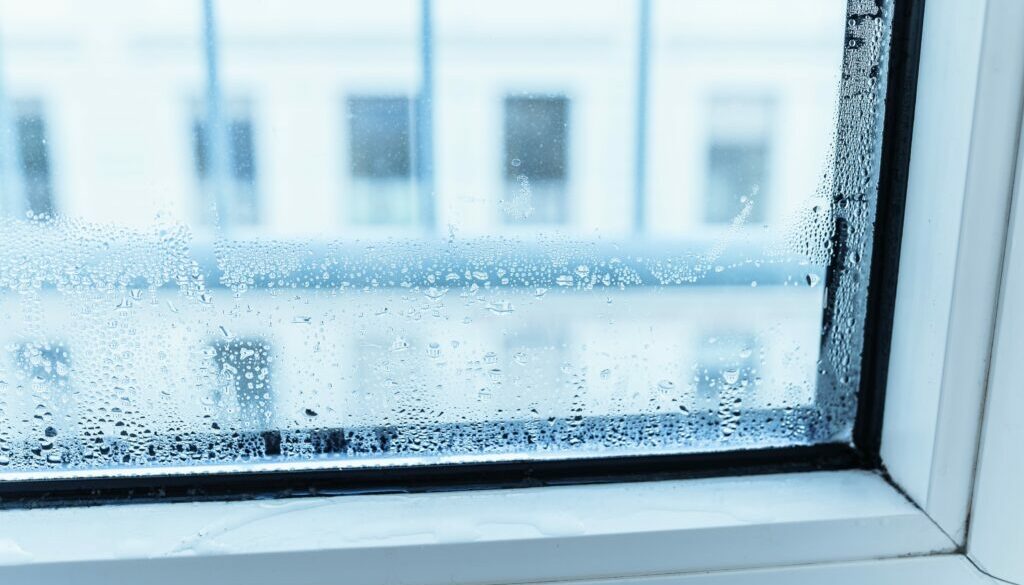
A misted or blown window that will not clear usually means the sealed double-glazed unit has failed. Once condensation appears between the two panes of glass, the insulating cavity has been breached, and the performance of the double glazing is compromised.
Technically, blown double glazing can be worked on. In reality, repairing a failed double-glazed unit rarely restores it to its original standard. In most cases, replacing the sealed unit within the existing window frame is the only reliable long-term solution.
At JP Glass, we manufacture replacement double-glazed units in-house, restoring clarity and energy efficiency without recommending unnecessary new windows.
What Happens When a Double Glazed Unit Fails?
Double glazing consists of two panes of glass separated by a spacer bar and sealed around the perimeter. The cavity contains argon gas to reduce heat transfer and improve energy efficiency.
When the seal breaks, the gas escapes and moist air enters. Condensation inside double glazing forms between the glass panes. This is blown double glazing or misted double glazing.
Once moisture appears inside the sealed unit, it is not a cleaning issue nor a ventilation problem. It is a failed double-glazing. In most cases, the window frame remains sound, and only the glass unit needs replacing.
Signs of Blown Double Glazed Windows
Typical indicators include:
- Condensation between the two panes
- A misted-up window that cannot be wiped clear
- Cloudy or milky glass
- Heavy morning dew condenses inside
- A noticeably cold surface
You may also find a particular room harder to heat, with rising energy bills. A blown double-glazed window cannot retain heat inside effectively, which reduces your home’s energy efficiency.
Condensation on the room-facing side is usually internal condensation and not a fault. Condensation on the outside can indicate good insulation. Only condensation inside the sealed double-glazed unit confirms failure.
Why Do Double Glazed Units Break Down?
Seal failure develops over time. Glass temperature falls overnight and rises again when the sun rises. Repeated expansion and contraction weaken the window seals and the spacer bar. Solar gain accelerates this process. Poor installation can also contribute.
Most double-glazed units last 15 to 25 years, depending on quality and exposure.
Can Blown Double Glazing Be Repaired?
Some companies offer double glazing repairs by drilling a small hole in the glass unit, removing moisture and inserting drying agents or using a magnetic tool.
This may improve appearance temporarily. It does not recreate the sealed double-glazed unit, restore the argon gas or reinstate full insulation.
For long-term performance, replacing blown double glazing is usually the only viable option.
Do I Need New Windows?
Usually not. If the window frame is structurally sound, the failed glass unit can be removed and a new double-glazed unit installed to precise measurements. This is a much cheaper alternative to replacing the entire window and avoids unnecessary waste.
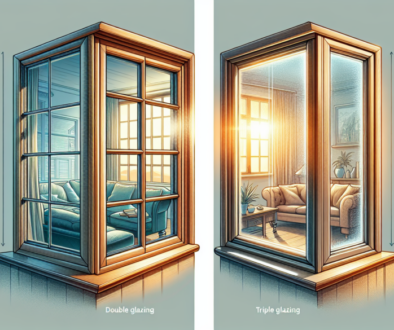
Full window replacement or triple glazing is only required if the frame itself is damaged or outdated.
Cost Considerations and Long-Term Value
Repair or replacement costs vary depending on size, specification and access. A small blown window in a bathroom will cost less than a large pane requiring toughened or laminated glass.
Drilling-based repairs are sometimes marketed as a lower-cost option. However, because they do not restore the sealed unit to its original standard, they often represent short-term savings rather than long-term value.
Replacing blown double glazing improves insulation, reduces heat loss during winter, and supports improved energy efficiency. Over time, this can reduce heating and energy bills by mitigating ongoing heat loss. When evaluating replacement costs, it is important to consider the cumulative impact on energy consumption rather than focusing solely on the initial price.
Our Approach at JP Glass
At JP Glass, we replace the failed double-glazed unit, not the entire window, unless it is genuinely necessary. We manufacture replacement double-glazed units in-house, built to current standards and tailored to your existing window frame. In most cases, the frame remains sound, and only the sealed unit needs replacing.
Installation is quick and contained. We remove the failed glass unit, fit a new sealed unit and restore clarity and energy efficiency without the cost of full window replacement. If the frame has deteriorated, we will advise accordingly.
Summary
When condensation forms between the glass panes, the sealed unit has failed, and its insulating properties are permanently compromised. Cosmetic double glazing repairs may improve appearance temporarily, but they do not recreate the original sealed cavity or restore full energy efficiency.
In most situations, the window frame can remain in place, and only the glass unit needs replacing. Replacing blown double glazing restores clarity, improves comfort and protects your home’s energy efficiency without the expense of replacing the entire window.